
People considering Dental implants in Bannerghatta Road often want a stable way to replace one tooth, several teeth or a larger area of tooth loss. An implant is not a complete tooth by itself; it works with connecting and prosthetic components. Gum health, bone condition, medical history and restoration needs influence whether this approach is appropriate. Patients around Bannerghatta Road should begin with an oral examination rather than choosing a procedure from online information alone.
What Are Dental Implants?
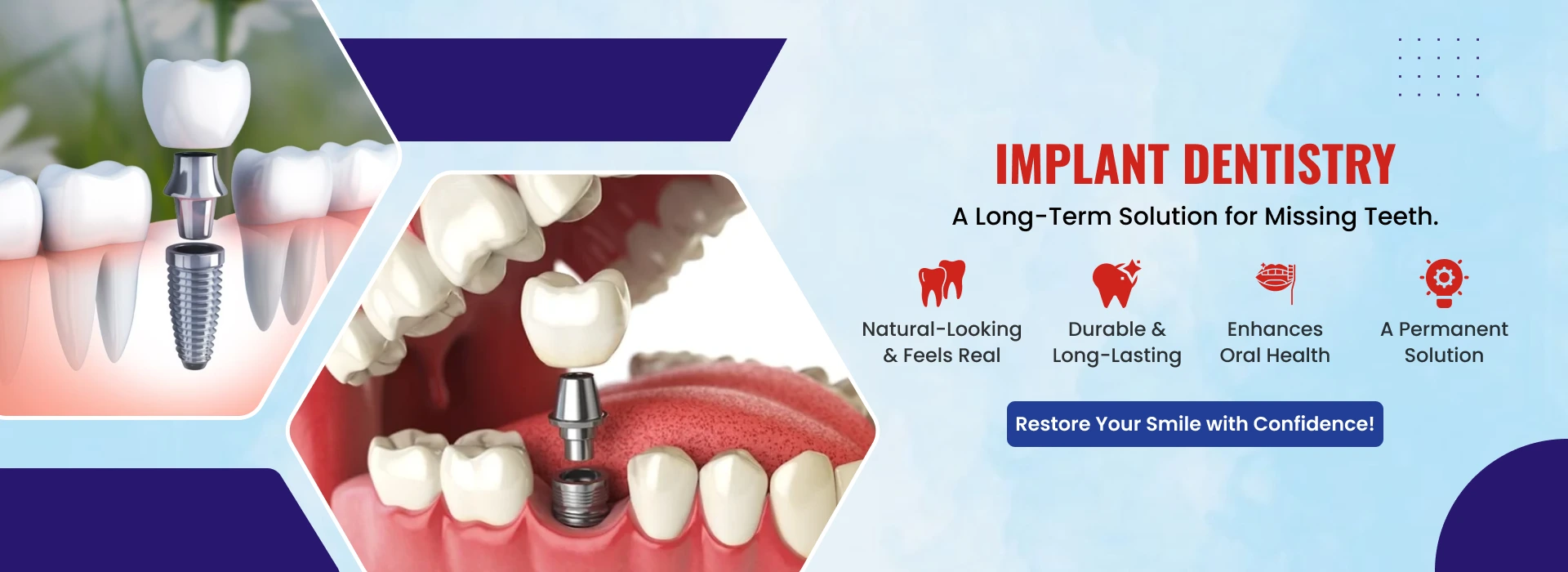
A dental implant is usually a small fixture positioned in the jawbone to act as a foundation for replacement teeth. An abutment connects the fixture to the visible restoration. For one missing tooth, that restoration may be a dental crown. Several implants may support a bridge or an implant-supported denture.
Conventional bridges commonly rely on neighbouring teeth, while removable dentures rest on the gums. Implant-supported crowns and prosthetic teeth gain support from implants. Each option has benefits, limitations and maintenance requirements, so the choice should follow clinical assessment rather than a general preference.
Who May Need Dental Implants?
An implant evaluation may be useful for a person with one missing tooth, several missing teeth, teeth lost through decay or injury, or damaged teeth that cannot be predictably restored. People who find chewing difficult because of tooth loss or who have concerns about removable dentures may also ask about implant-supported alternatives.
Need and suitability are different. A dentist must assess the mouth, existing teeth, gum health, available bone, oral hygiene and relevant medical factors. Bone grafting may be discussed when bone volume is insufficient, but it is not required for every patient.
Full Mouth Dental Implants in Bannerghatta Road
Full mouth dental implants in Bannerghatta Road generally refers to rehabilitation for extensive tooth loss or teeth with a poor prognosis. Strategically planned implants may support fixed or removable full-arch teeth. The number of implants and design of the restoration depend on bone, bite, remaining teeth, medical history and practical treatment goals.
Planning may include gum and bone assessment, imaging and discussion of temporary and final restorations. Some people may benefit from an implant-supported denture, while others may be considered for a fixed full-arch restoration. Full mouth dental implants in Bannerghatta Road should therefore be viewed as an individualized treatment category, not one standard procedure.
Dental Implant Treatment Process
The exact dental implant treatment in Bannerghatta Road varies, but the general journey includes the following stages.
Step 1: Consultation and Examination
The dentist discusses missing teeth, concerns, medical history, medicines and previous dental care. The teeth and gums are examined, including the intended implant area.
Step 2: Diagnostic Imaging
Appropriate digital dental imaging or X-rays may be recommended to assess bone and nearby structures. Three-dimensional imaging may be considered when clinically indicated.
Step 3: Personalized Treatment Planning
The plan considers oral health, bone condition, number and position of missing teeth, restoration type and whether preparatory treatment is required.
Step 4: Implant Placement
The implant fixture is positioned according to the clinical plan. The dentist explains the procedure, expected aftercare and relevant risks beforehand.
Step 5: Healing and Integration
Bone heals around the implant over time. Healing duration varies between individuals and may be influenced by the treatment area and general health.
Step 6: Restoration
When clinically ready, the planned crown, bridge, denture or other implant-supported restoration is connected and reviewed for fit, appearance and function.
Why Choose Dental Implants?
Dental implants can provide a stable foundation for replacing missing teeth. Depending on the clinical situation, they may support chewing, speech and everyday oral function while improving the appearance of a missing-tooth area. An implant may support a single crown without using neighbouring teeth as bridge supports.
For wider tooth loss, strategically positioned implants may support a bridge or denture. These are potential benefits rather than guaranteed results. Maintenance, gum health, habits and follow-up care remain important throughout the life of an implant restoration.
Why Is a Dental Implant Consultation Important?
Before dental implant treatment in Bannerghatta Road, the dentist needs to evaluate the gums, bone, remaining teeth, oral hygiene and location of each missing tooth. Medical conditions, medicines, smoking or tobacco use may affect planning or healing. The consultation also clarifies the restoration required above the implant.
This assessment helps identify alternatives and any preliminary care. It is an opportunity to discuss stages, limitations, likely follow-up and fees. A responsible recommendation should be based on examination and appropriate imaging.
Technology, Safety and Personalized Planning
Modern practices may use digital X-rays, intraoral assessment, digital planning or 3D imaging where indicated. These tools can contribute information about bone and surrounding anatomy, but technology does not replace clinical judgment. The exact tools used should be confirmed with the clinic.
When exploring dental implant treatment in Bannerghatta Road, look for clear communication, individualized planning, patient-comfort measures and appropriate infection-control practices. Patients should receive understandable explanations and time to ask questions before consenting to care.
Dental Implant Care and Oral Hygiene
Implants and prosthetic teeth require ongoing care. Brush regularly as instructed, clean between teeth and around implant restorations with suitable aids, and attend professional check-ups. Follow the dentist's post-treatment advice and report persistent discomfort, swelling or changes in the restoration.
Healthy lifestyle habits support oral health. Avoiding tobacco is particularly important because smoking can affect gums and healing. Preventive dentistry and professional monitoring help identify inflammation, hygiene difficulties or mechanical concerns that may need attention.
Dental Implants for Patients Around Bannerghatta Road
Patients researching Dental implants in Bannerghatta Road may travel from JP Nagar, Arekere, Hulimavu, Gottigere, BTM Layout, Begur or other South Bangalore neighbourhoods. Implant care can involve consultation, treatment and review appointments, making accessible follow-up a practical consideration. Infinit Dental Solutions is located in Jayanagar; confirm the address and appointment details before travelling.
You can review the clinic's general implant dentistry information, learn about full mouth rehabilitation, explore crowns and bridges, or read more about the clinic.
When Should You Consider an Implant Consultation?
Consider arranging an examination for a missing tooth, multiple missing teeth, loose or failing teeth, difficulty chewing, denture-related concerns, tooth loss after an accident, or a broken tooth that may not be restorable. The visit can clarify whether a single-tooth implant, multiple implants, another restoration or non-implant care is worth considering.
People comparing full-arch implant treatment also need an individual evaluation before deciding. A qualified dental professional can explain whether implant-supported replacement is suitable and what alternatives are available.
Discuss Dental Implants in Bannerghatta Road
If you have missing teeth or want to explore implant-supported tooth replacement, schedule a consultation. Discuss your oral health, available options and personal suitability with a qualified dental professional; treatment outcomes cannot be guaranteed.
.png)